
What Makes Marketing for Manufacturing Companies Unique v2
Learn why marketing for manufacturing companies requires a more specific approach to buyer needs, technical expertise, and long sales cycles.
Why Marketing for Manufacturing Companies Requires a Unique Approach
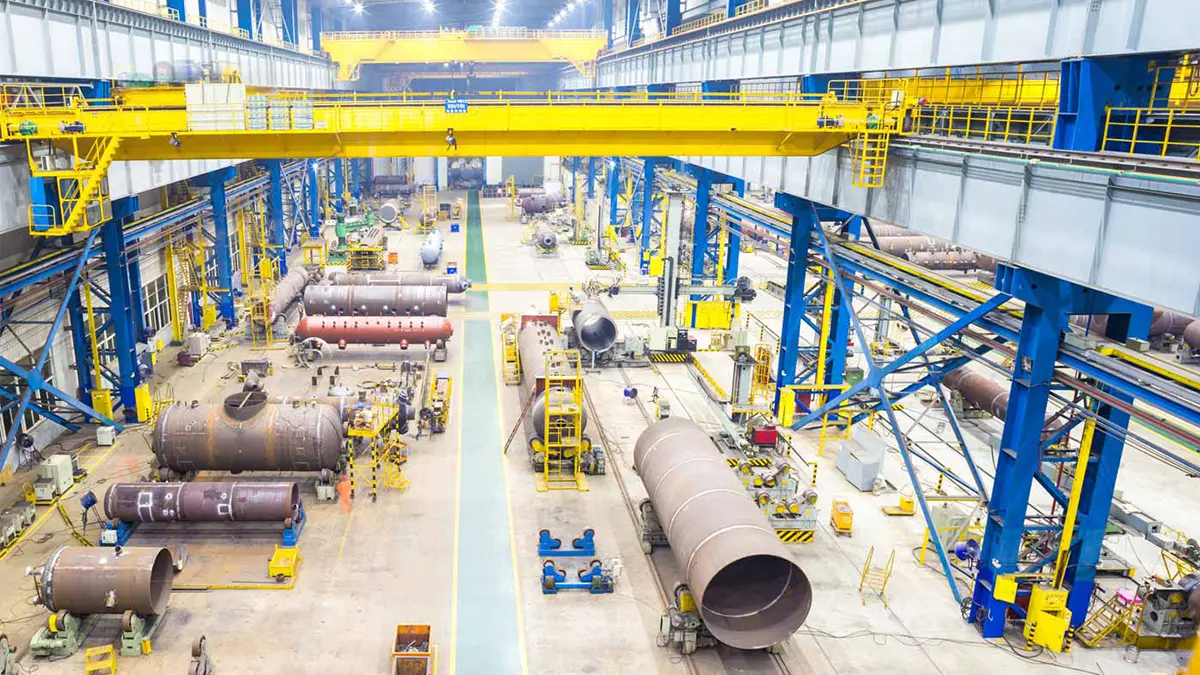
Manufacturing is an industry where buyers rarely make a decision based on a single conversation, and the cost of picking the wrong supply partner can mean a missed production run, deadline, or revenue goal. The stakes are real, sales cycles are long, and your company needs to stand out in ways that actually matter to the people evaluating you, not with generic messaging and branding. Most manufacturing marketing falls into that trap: it’s built to sound impressive to a general audience, when the audiences that actually matter are sourcing managers, engineers, or purchasers, each looking for something different.

How Manufacturing Buyers Actually Evaluate You
Most of the time, the first person reviewing your manufacturing company is comparing you against two or three other vendors and trying to answer one question: can this supplier do the job without creating problems?
That evaluation happens across several roles at once, and each one is checking something different:
- Engineering cares about actual details of your product such as materials and whether the part is feasible to make as designed.
- Procurement cares about cost, lead time, and whether you’ll deliver orders reliably over time.
- Operations cares about consistency, meaning whether this shipment will match the last one.
Marketing that stays high-level with phrases like “quality you can trust” and “full-service capabilities” misses all three of these roles at once, because none of these people are looking for reassurance. They’re looking for specific information they can reference throughout the decision-making process.
This is also why a single visit to your website rarely decides anything. Prospects come back, compare notes internally, and weigh what they’ve seen over multiple touchpoints before a decision gets made. Most decision-makers are well into their research before they ever contact a manufacturer directly, which means the impression you make before a sales conversation even starts will carry more weight than most companies assume.
Why Clarity Beats a Long List of Capabilities
Most manufacturers try to sound capable of everything, thinking it’ll bring in more leads. In practice, it works against them. Compare these two ways of describing the same company:
“We offer machining, fabrication, and assembly services for a wide range of industries.”
“Precision CNC machining for low-volume, high-complexity parts in aerospace and defense.”
The second version tells a buyer exactly what the company can do, and just as importantly, what they don’t. Being vague about your capabilities is one of the most common reasons manufacturers end up quoting jobs they were never going to win, or winning jobs that aren’t a great fit.
A few factors separate manufacturers whose marketing actually works from those whose marketing just exists:
- Clear positioning: Being specific about what you make, what volumes you handle, and what materials or processes you focus on tells buyers exactly when to reach out.
- Proof that explains the work, not just shows it: A photo of a finished part doesn’t answer a buyer’s real questions. What was the application, what made it difficult, and what standards had to be met? Two suppliers can show the same part; the one who explains what went into making the part and why it works is the one who earns trust.
- Content built around real questions: Content written to match search volume tends to stay generic. Content built around what buyers actually ask, what drives cost on a given part, where problems tend to show up on a run like this, is what actually moves the needle because it answers the buyer’s questions.
Why Manufacturing Marketing Is Different From Other B2B Marketing
Diverse Distribution Channels
Manufacturers move product through a mix of channels. Some sell direct to the end user, whether that’s an individual or another business. Some sell through distributors or dealers. Many run both at once, and some of those dealers add their own services on top, like installation, which changes what a buyer is actually comparing when they weigh you against a competitor.
This is where clarity applies to a second audience. Your distributors need different tools than your end users do, like pricing tiers, co-branded materials, and a lead handoff process that doesn’t compete with their own relationships. A marketing strategy that treats every channel partner the same, or expects one asset to serve all of them, tends not to provide results.
Buying Process Involving Multiple Stakeholders
Most manufacturing sales aren’t decided by one person. An engineer determines what the project actually requires. A purchaser or buyer executes the order, often without fully understanding the technical nuances behind the spec. An end user receives the product after the sale, but frequently has influence earlier in the process than manufacturers give them credit for.
Marketing that speaks to only one of these roles leaves the other two to fill in the gaps on their own, and they won’t always fill them in your favor. A single generic value proposition rarely reaches all three. Tailored messaging for each stakeholder is what turns a broad website visit into a qualified inquiry.
Leads at Every Funnel Stage Need Different Nurturing
Manufacturing sales cycles are long, and a prospect’s needs change significantly from the first search to the final decision. Someone who just identified a problem and started researching solutions is not ready for the same message as someone comparing final quotes from two or three vendors.
Trying to reach every stage of the funnel with the same content or the same outreach cadence wastes effort on both ends. Early-stage prospects need education, content that helps them define the problem and understand their options. Late-stage prospects need proof, case studies, technical detail, and direct answers to the questions that come up right before a purchase decision.
Building nurture paths for each stage of that cycle, rather than treating every lead the same from first contact to close, is what makes a long sales cycle viable instead of just slow. It also means fewer qualified leads going cold simply because the follow-up didn’t match where they actually were in the process.
Common Mistakes and How to Avoid Them
- Speaking to every customer the same. Instead, focus on what each type of buyer is looking for and the questions they’re actually asking; engineers, procurement, and operations all need something different from your messaging.
- Listing capabilities without context. Instead, explain what each of your services or capabilities means for the buyer’s specific project, such as the tolerance you hold, the volume you run, and the application it’s built for.
- Treating every inquiry as equally worth pursuing. Instead, track which form submissions actually match your equipment, volume, and margin, and build your marketing to attract more of those specifically.
- Ignoring how each prospect evaluates risk. Instead, build messaging that speaks to each type of customer individually, rather than a generic pitch aimed at whoever happens to land on the page.
- Building content around keywords instead of real buyer questions. Instead, pull your content topics from actual customer conversations: what drives cost, what to expect on lead time, where problems tend to show up.
Bottom Line
Marketing for manufacturing companies works differently than other digital marketing strategies because manufacturing buyers work differently, too. These buyers evaluate risk across multiple roles, they take their time, and they value clarity and specificity over a broad list of capabilities. It’s clear why a generic marketing approach falls short for manufacturers more often than it does for other industries.
ZAG FIRST is a digital marketing agency for manufacturing companies. We work with manufacturers to clarify positioning, create content built around real buyer questions, and establish channel strategies that support your sales in ways that matter. Get in touch to talk through your strategy.